Queensway Upholstery Cleaning for Historic Bayswater Flats: A Practical Guide to Protecting Period Interiors
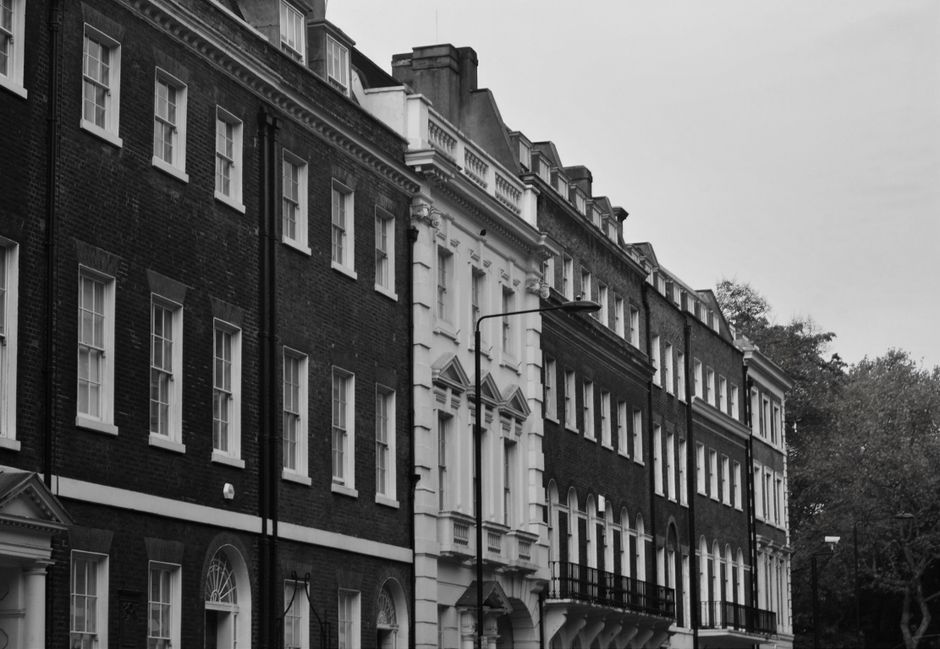
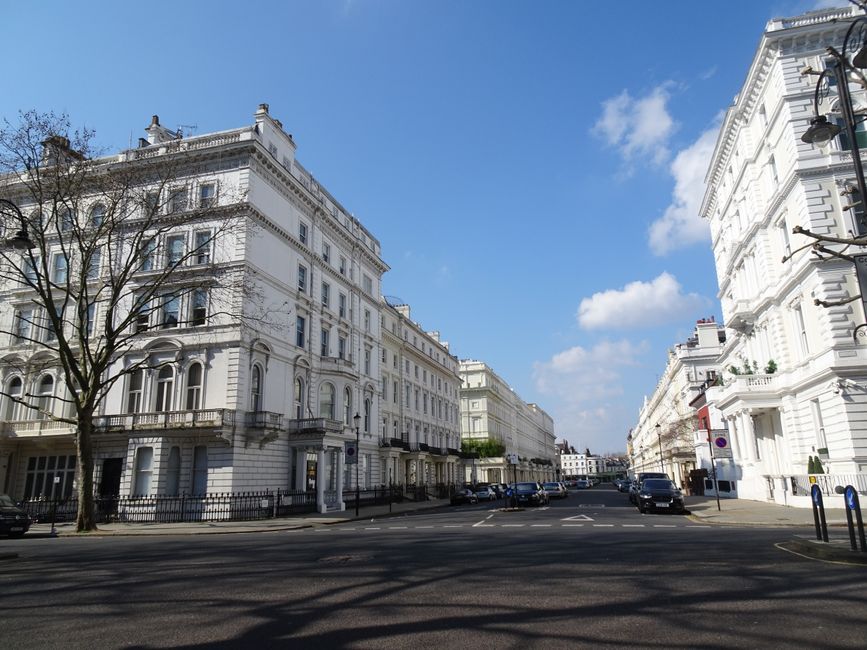
If you live in a Bayswater flat near Queensway, you already know the charm is in the details: the sash windows, the moulded ceilings, the original floorboards, the slightly awkward hallway corners, and the upholstered pieces that somehow make the whole place feel lived-in rather than staged. But historic interiors also ask for more care. Queensway upholstery cleaning for historic Bayswater flats is not just about making a sofa look brighter; it is about removing dust, body oils, city grime, and everyday spills without damaging delicate fabrics or the character of the building.
That balance matters. Too much moisture, the wrong chemistry, or a heavy-handed approach can leave marks, shrinkage, lingering odours, or worse. In this guide, we'll look at how professional upholstery cleaning works in period flats, why it matters so much in older Bayswater properties, what methods are safest, and how to decide what your furniture really needs. A little care goes a long way here. Truth be told, it often saves money later.
Table of Contents
- Why Queensway upholstery cleaning for historic Bayswater flats Matters
- How Queensway upholstery cleaning for historic Bayswater flats Works
- Key Benefits and Practical Advantages
- Who This Is For and When It Makes Sense
- Step-by-Step Guidance
- Expert Tips for Better Results
- Common Mistakes to Avoid
- Tools, Resources and Recommendations
- Law, Compliance, Standards, or Best Practice
- Options, Methods, or Comparison Table
- Case Study or Real-World Example
- Practical Checklist
- Conclusion
- Frequently Asked Questions
Why Queensway upholstery cleaning for historic Bayswater flats Matters
Historic Bayswater flats have their own rhythm. Many are older conversions or mansion-style homes with thick walls, fitted joinery, ornate detailing, and rooms that don't behave like modern open-plan spaces. Airflow can be a bit uneven. Dust settles in soft furnishings more quickly than you'd expect. And because rooms are often smaller, upholstered chairs, sofas, ottomans, and dining seats get used heavily.
That means upholstery tends to trap more than visible dirt. You get the invisible stuff too: cooking odours drifting in from a compact kitchen, pollutants from the street, moisture from rainy shoes by the door, and the gentle daily wear from sitting, reading, working, and living in the same room. If you have ever caught that faint stale note on a sofa on a Sunday morning, you'll know exactly what I mean.
Historic flats also tend to have fabric and furniture pieces that deserve a lighter touch. Period homes often include antiques, textured linens, velvets, wool blends, or tailored upholstery with old stitching and fragile trims. A generic clean is rarely enough. Worse, it can be the wrong thing entirely. The point is not just cleanliness; it is preservation.
There's also a practical side. Clean upholstery can improve the overall feel of the flat, support better indoor freshness, and make rooms appear cared for without overdecorating. For landlords, hosts, and long-term residents, it helps protect the impression the property gives. For families and pet owners, it simply makes life feel a bit easier and less dusty. To be fair, that alone can be worth it.
If the flat is undergoing broader maintenance, upholstery cleaning often sits neatly alongside other services such as deep cleaning or domestic cleaning. In homes where the wear is more pronounced, a broader refresh can make the upholstery work noticeably better and last longer.
How Queensway upholstery cleaning for historic Bayswater flats Works
The best upholstery cleaning for older Bayswater properties usually starts with a fabric check, not a machine. That sounds obvious, but it is where quality begins. A cleaner should identify the fabric type, the construction, the dye stability, the age of the piece, and any weak areas such as worn seams, missing buttons, or faded arms from daylight exposure.
From there, the process is generally broken into stages:
- Inspection and fibre identification. The cleaner looks for fabric labels where possible, tests a small hidden area, and notes any stains or delicate trims.
- Dry soil removal. Loose dust, crumbs, pet hair, and grit are lifted using controlled vacuuming and suitable attachments.
- Stain assessment. Spots are classified by type: drink spill, grease, makeup, food, pet accident, or general discolouration.
- Pre-treatment. A fabric-safe solution is applied to loosen embedded dirt and break down marks without flooding the material.
- Main cleaning stage. Depending on the fabric and condition, this may involve low-moisture extraction, controlled hot water extraction, or a very careful low-moisture method.
- Rinse and residue control. The aim is to leave as little cleaning product behind as possible, because residue can attract dirt later.
- Drying and grooming. The fabric is brushed, shaped, and allowed to dry with as much airflow as the flat permits.
The key in historic flats is restraint. Older interiors often do better with less water, slower application, and more patience. That doesn't sound glamorous, I know. But it is often what protects the upholstery.
In some homes, upholstery cleaning also links sensibly with rug cleaning or carpet cleaning, especially when a room's soft surfaces all carry the same dust load. If the flat has recently had renovation work, it may be worth considering after builders cleaning first, because dust from sanding and plaster can quickly undo a freshly cleaned sofa.
Key Benefits and Practical Advantages
Clean upholstery offers more than a nicer appearance. In a historic flat, the benefits tend to be layered.
- Better preservation of fabric. Regular professional care can reduce the buildup of grit and body oils that wear down fibres over time.
- Improved indoor freshness. Soft furnishings hold odours surprisingly well. A proper clean can lift that stale, closed-up feeling.
- More comfortable living spaces. A clean sofa or armchair changes how a room feels the moment you sit down.
- Stain management before it becomes permanent. Tea, wine, food, and pet marks are far easier to address before they settle in.
- Longer life for period furnishings. Historic flats often include pieces that are expensive to replace or emotionally important.
- Better presentation for rentals or sales. In a compact Bayswater flat, a clean sofa can make the whole room look more polished.
There is also a small but real comfort factor. You notice it in the evening, when the room has that quieter, cleaner feel and you are not thinking about the patch on the armrest every time you sit down. That matters. A lot.
Expert summary: In historic Bayswater flats, the best upholstery cleaning is usually the least aggressive method that still removes soil properly. Fabric safety, moisture control, and drying time are the main markers of quality.
Who This Is For and When It Makes Sense
This kind of service is not only for heavily stained furniture. It makes sense for a few different households and situations.
- Long-term residents who want to keep inherited or carefully chosen furniture in good condition.
- Landlords and managing agents maintaining a tidy, appealing flat between tenants.
- Tenants at the end of a let who need a sofa or chair looking its best before handover.
- Families with children where snack crumbs, spills, and everyday wear build up quickly.
- Pet owners dealing with fur, odour, or the occasional accident.
- People living near busy roads or transport routes where dust and airborne dirt enter more easily.
- Anyone in a small flat where upholstered furniture gets a lot of use and cannot be ignored.
When does it make sense to book? Usually when you can see visible soiling, notice odour, or feel the fabric has become flat and tired. But sometimes the signs are subtler. If the sofa looks clean from a distance yet feels slightly sticky or dusty when you sit on it, that's often the point where a proper clean starts to pay off.
For some homes, a single targeted visit is enough. For others, especially if the whole flat needs attention, a one-off cleaning approach can be a better fit. It gives you a reset without locking you into a routine you do not need.
Step-by-Step Guidance
If you are preparing for Queensway upholstery cleaning in a historic Bayswater flat, a little preparation helps the visit go more smoothly. Here is a simple, practical sequence.
- Identify the pieces that need care. Make a short list: sofa, dining chairs, headboard, ottoman, window seat, accent chair. Don't assume everything needs the same treatment.
- Check for labels or old care notes. Even a small fabric tag can help the cleaner choose the safest method.
- Clear the surrounding area. Move magazines, throws, cushions, and breakables. In narrow Bayswater rooms, every extra object becomes part of the obstacle course.
- Point out problem areas. Mention old spills, pet damage, food marks, sun fading, or any previous cleaning mishaps.
- Ask about the cleaning method. Wet cleaning is not always right. A good provider should explain why a particular approach suits your fabric.
- Make drying space available. Open windows if weather and privacy allow, and avoid stacking items on the furniture straight after cleaning.
- Protect the piece after cleaning. Let it dry completely before heavy use, and use throws carefully if needed.
A useful habit: take one or two photos before the appointment, especially if you are dealing with stains or rental handover. Not because you expect drama. Just because memory is funny like that.
If your flat includes hard surfaces that collect dust or spill residue, pairing upholstery care with hard floor cleaning can make the room feel genuinely refreshed rather than half-done.
Expert Tips for Better Results
Here is where the small details make a real difference.
- Test before cleaning. Any trustworthy cleaner should check colour fastness in a hidden spot. Period fabrics can behave unpredictably.
- Keep moisture controlled. Over-wetting is one of the most common mistakes in older flats. It can lead to long drying times and water marks.
- Treat stains gently. Aggressive scrubbing usually spreads the problem. Blotting, careful pre-treatment, and patience are better.
- Mind the fabric mix. A flat may have one sofa in velvet, another in linen, and dining seats in synthetic weave. Each needs a different touch.
- Prioritise airflow. Good drying matters almost as much as the clean itself. A damp room in an old building can hold on to moisture longer than expected.
- Clean before wear turns permanent. Waiting too long means oils and dirt settle deeper into the fibre.
One small but useful tip: if a sofa sits against a wall in a historic flat, check the back and lower edges too. Those areas often collect dust silently, and they can surprise you when the furniture is moved. Not glamorous. Very normal.
For households trying to maintain a cleaner baseline, combining upholstery care with deep cleaning from time to time can help prevent the "everything looks fine until the afternoon light hits it" problem. We have all had that moment.
Common Mistakes to Avoid
Older flats are forgiving in some ways and tricky in others. Upholstery can go wrong faster than people think.
- Using too much water. It is one of the fastest routes to rings, damp smells, and slow drying.
- Scrubbing stains hard. That often pushes the stain deeper or roughs up the fabric pile.
- Assuming all upholstery can be cleaned the same way. Velvet, wool, linen, and synthetic blends need different treatment.
- Ignoring hidden wear. Weak seams or old repairs can split if the fabric is handled roughly.
- Cleaning without enough ventilation. In a compact flat, drying can drag on if the room is closed up.
- Leaving product residue behind. Some fabrics feel tacky afterwards if detergents are not properly managed.
- Forgetting about nearby surfaces. Dirty skirting boards, dusty sills, and untreated cushions can make a cleaned sofa seem less impressive.
There is a bigger mistake too: choosing speed over care. In a period property, fast is not automatically better. Sometimes it is just faster trouble.
Tools, Resources and Recommendations
You do not need a cupboard full of products to manage upholstery well. In fact, the opposite is often true.
Useful tools and materials:
- A vacuum with an upholstery attachment
- A soft brush for loose surface dirt
- Clean white microfibre cloths
- A mild, fabric-appropriate spot cleaner
- Fans or a way to improve airflow during drying
- Protective throws for high-use seats
Helpful service pairings:
- rug cleaning for layered textile care in living rooms
- window cleaning to brighten rooms after soft-furnishing work
- oven cleaning if cooking odours and grease are contributing to fabric build-up
When to ask for more than a spot clean: if the furniture has widespread dullness, repeated spills, pet odours, or feels generally tired rather than just locally stained. That usually means the issue is embedded, not superficial.
And if you are trying to plan a wider refresh, it can help to look at pricing and quotes before deciding what to combine. A clear scope is always easier on the wallet and the nerves.
Law, Compliance, Standards, or Best Practice
Upholstery cleaning in the UK is not heavily regulated in the same way as some trades, but there are still important standards of care. In a historic Bayswater flat, best practice matters because the building fabric, finishes, and contents can be more sensitive than in newer homes.
Good practice usually includes:
- Using cleaning methods appropriate to the fabric and condition
- Explaining risks clearly before work starts
- Taking care around electrics, woodwork, and adjacent surfaces
- Following sensible health and safety procedures for chemicals and moisture
- Carrying suitable insurance for accidental damage where applicable
It is also reasonable to expect a cleaner to be honest when a stain may not fully come out. That is a trust issue, not a technical one. A careful professional will not promise miracles on a nineteenth spill that has already been heat-set by a heater or a radiator. Better to be straight about the likely outcome.
If you are using a provider for broader household care, checking their health and safety policy, insurance and safety, and payment and security information can give you a more confident picture. That is especially useful in older buildings where access, moisture, and delicate finishes all need common sense.
Options, Methods, or Comparison Table
Different upholstery situations call for different approaches. Here is a simple comparison to make the decision easier.
| Method | Best for | Pros | Watch-outs |
|---|---|---|---|
| Vacuum-only maintenance | Light dust and regular upkeep | Fast, low risk, good for weekly care | Won't remove embedded stains or odours |
| Low-moisture cleaning | Delicate fabrics and older pieces | Reduced drying time, gentler on historic interiors | May need more careful pre-treatment for deep marks |
| Hot water extraction | Durable fabrics with deeper soiling | Strong soil removal, good for heavy wear | Can be too wet for some period fabrics if used carelessly |
| Targeted spot treatment | Small, specific stains | Efficient and focused | Not a full refresh if the rest of the item is dull |
For many historic Bayswater flats, the winning choice is a careful mix rather than one method alone. Clean the fabric properly, but respect the age of the furniture. Simple idea, really.
Case Study or Real-World Example
Picture a two-bedroom Bayswater flat with a quiet front room overlooking a busy street near Queensway. The sofa is a soft grey fabric piece that has been in regular use for years. Nothing dramatic, no huge spill, just gradual dullness, a faint takeaway smell from evenings in, and a few little stains on one arm where people always sit.
The first instinct might be to attack the marks with a strong spray and a sponge. But that would be the wrong move. Instead, a better approach is a careful inspection, a small test patch, controlled pre-treatment, and a low-moisture clean with focused attention on the armrests and seat cushions. If the room is a little close and the weather is damp, drying gets priority. Windows open a crack, airflow improved, no rushing.
Afterwards, the room usually feels different in a way that is easy to underestimate. The sofa no longer looks tired, the fabric feels fresher, and the whole flat seems a bit lighter. Not brand-new. That would be unrealistic. Just cared for, which in a historic property is the real win.
If the same flat is due a broader reset before visitors arrive, the upholstery clean may sit alongside one-off cleaning or a wider domestic refresh. That is often the smartest way to bring the place back into balance without overcomplicating things.
Practical Checklist
Use this before booking or before a cleaner arrives.
- Check the fabric type if a care label is available
- Note all visible stains and where they are located
- Move cushions, throws, books, and loose items away
- Make sure the cleaner can access the piece from all sides if possible
- Ask whether the method is suitable for older or delicate upholstery
- Confirm how long drying may take in a period flat
- Plan for ventilation after cleaning
- Keep pets and small children away from damp furniture
- Take before photos if the item is being prepared for a tenancy check-out or sale
- Leave time for the piece to dry fully before heavy use
Quick checklist summary: know the fabric, identify the stains, control moisture, and allow proper drying. That's the spine of the job.
Conclusion
Queensway upholstery cleaning for historic Bayswater flats is as much about judgment as it is about cleaning power. Older homes reward patience, fabric awareness, and a careful hand. The right approach protects the texture, colour, and lifespan of your furniture while making the flat feel cleaner, calmer, and much easier to enjoy day to day.
If you remember only one thing, make it this: in a period flat, gentle and well-planned usually beats quick and forceful. Every time. Whether you are caring for a favourite chair, preparing for tenants, or simply tired of the sofa looking a bit sad at the edges, the right clean can make a real difference without disturbing the character of the room.
Get a free quote today and see how much you can save.
And if you do nothing else this week, at least give the armrests a proper look. They tell the truth, don't they?
Frequently Asked Questions
What makes upholstery cleaning in historic Bayswater flats different from a standard flat?
Older Bayswater flats often have more delicate fabrics, tighter spaces, and less forgiving ventilation. That means cleaners need to work more carefully with moisture, drying time, and fabric testing than they might in a newer build.
How often should upholstery be cleaned in a Queensway flat?
It depends on use, pets, children, and room conditions. A lightly used sofa may only need periodic cleaning, while a busy family living room may need attention more often. If the fabric starts to look dull, smell stale, or feel sticky, that is usually your sign.
Can all upholstery be steam cleaned?
No. Some fabrics can tolerate stronger moisture-based methods, but many older or more delicate pieces are better suited to low-moisture cleaning. A fabric test and inspection should come first.
Will upholstery cleaning remove old stains completely?
Sometimes yes, sometimes partially, and sometimes not fully. Age, heat, previous DIY attempts, and fabric type all affect the result. Honest expectations are important here.
Is upholstery cleaning safe for antique chairs and period furniture?
It can be, if the method is chosen carefully. Antique and period pieces should be treated conservatively, with attention to stitching, fillers, trims, and fabric stability.
How long does upholstered furniture take to dry?
Drying time varies by fabric, cleaning method, room temperature, and airflow. Historic flats can be slower to dry than newer homes, so planning ahead helps.
Should I clean carpets and upholstery at the same time?
Often, yes. If the room has both soft furnishings and carpets that have gathered the same dust and everyday grime, combining services can create a more complete refresh.
What should I do before the cleaner arrives?
Remove loose items, point out stains, and make access easy. If you can, move fragile objects and ensure the cleaner can get close to the furniture without obstacles.
Does upholstery cleaning help with pet odours?
It often helps a great deal, especially when the odour is coming from embedded grime or fur. If there has been repeated pet soiling, the cleaner may need to use targeted treatment as well.
What is the biggest mistake people make with upholstery in older flats?
Using too much water or scrubbing too hard. Both can damage delicate fabrics or leave marks that are harder to deal with than the original stain.
Can upholstery cleaning improve the look of a room even if the furniture is not badly stained?
Yes. Removing built-up dust and dullness can make the whole room feel cleaner and brighter, even when the furniture looked "fine" before. It's one of those changes you notice properly only after the fact.
How do I choose the right cleaning approach for my flat?
Start with the fabric type, the age of the piece, and the level of soiling. If the furniture is older or delicate, low-moisture methods are often the safer option. When in doubt, ask for a clear explanation of why a method is being recommended.